 01
01
Uzbekistan
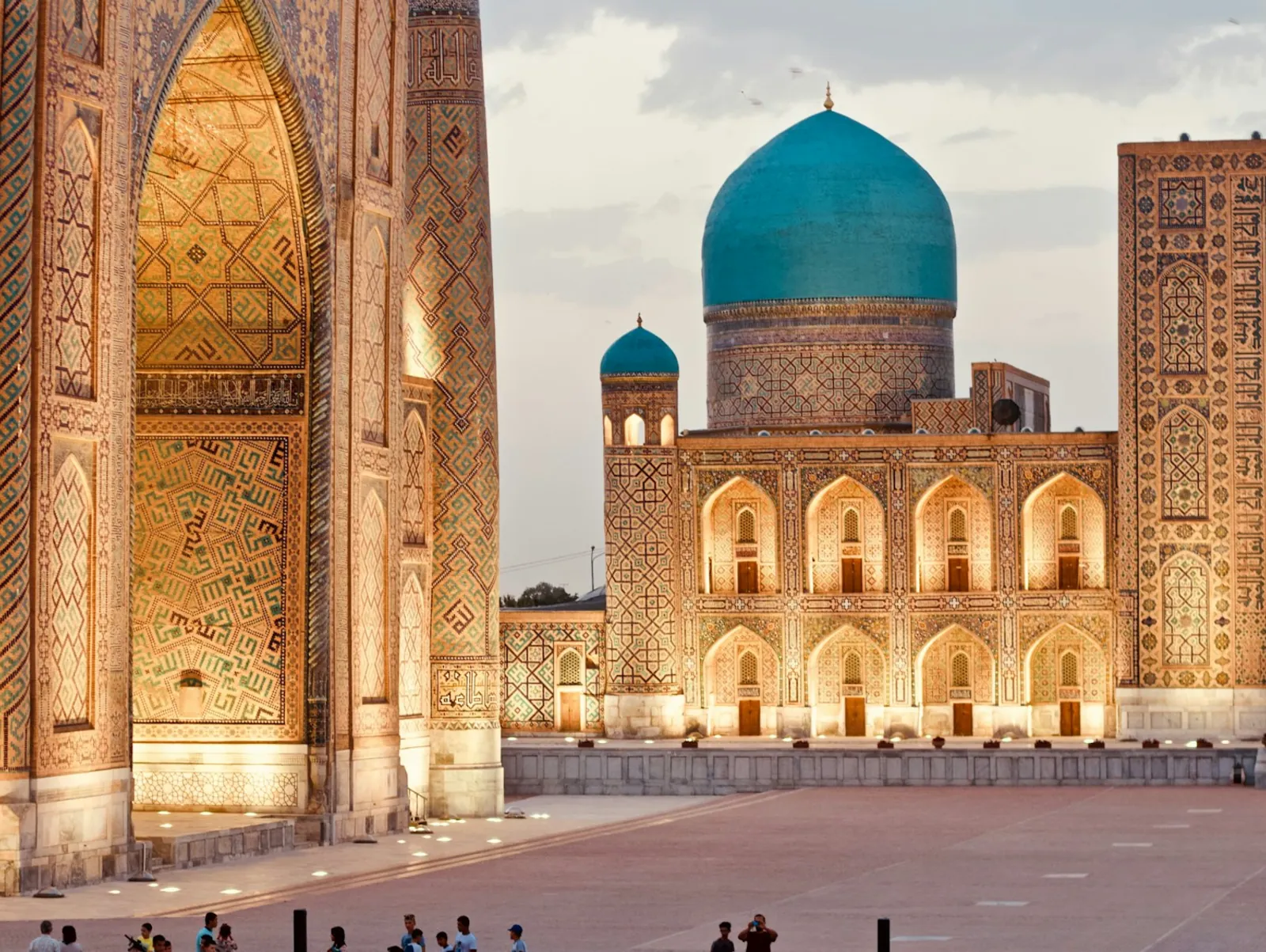
Samarkand, Bukhara and Khiva — Silk Road cities where the tilework still stops you mid-sentence, and where craft traditions are being actively kept alive rather than performed for visitors.
Destinations
We bypass the standard tourist traps. Some of these are famous, some are barely on the map — all of them are here because someone in this collective fell for them properly.
Inspired destinations
They may or may not be a popular tourist destination right now — but they are unique and special in their own way, and our advisors are here to share how and why.
01
Samarkand, Bukhara and Khiva — Silk Road cities where the tilework still stops you mid-sentence, and where craft traditions are being actively kept alive rather than performed for visitors.
 02
02
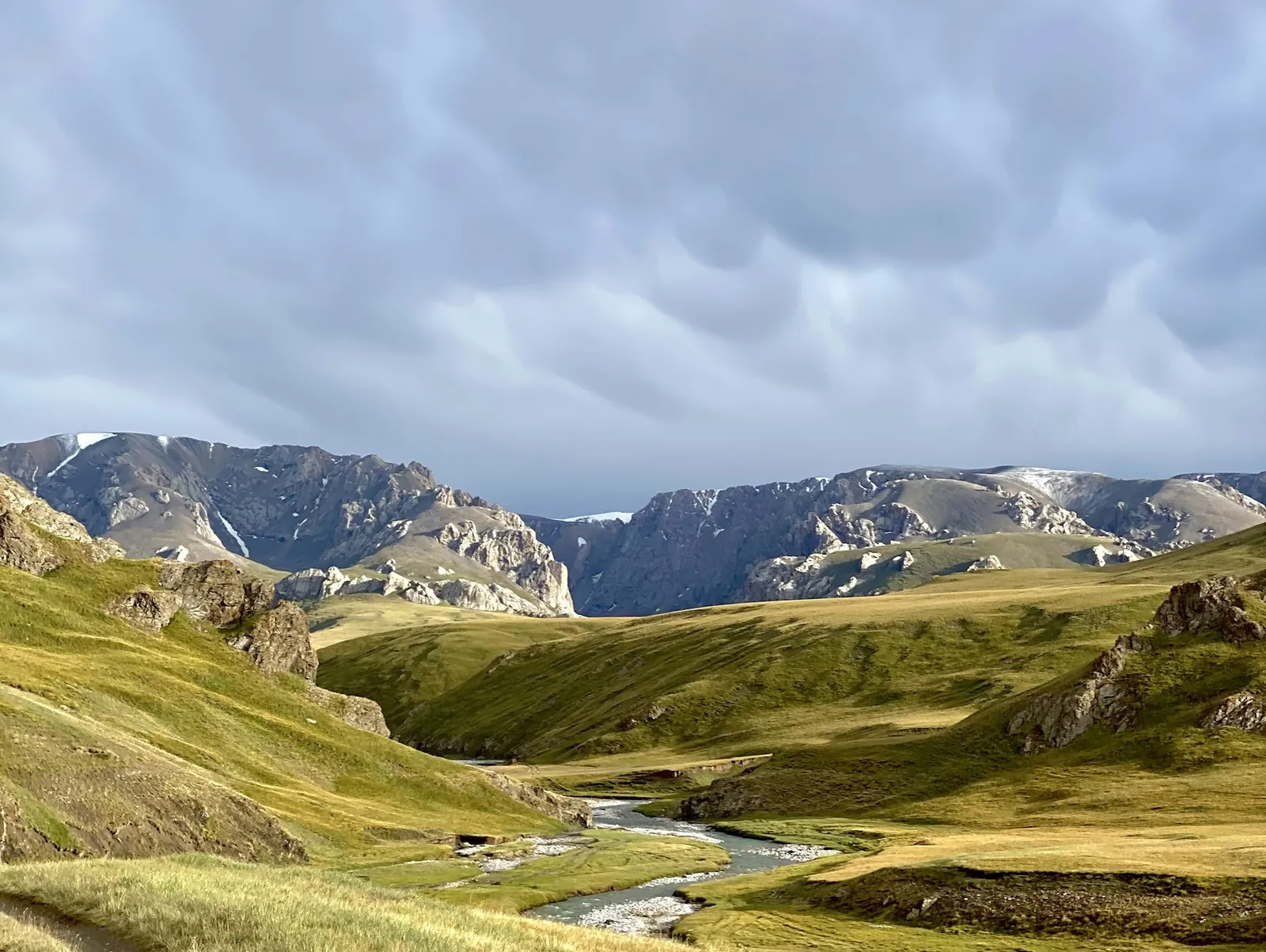
Kazakhstan, Kyrgyzstan and Tajikistan — high mountain passes, alpine lakes and some of the last great overland routes left in the world.
 03
03
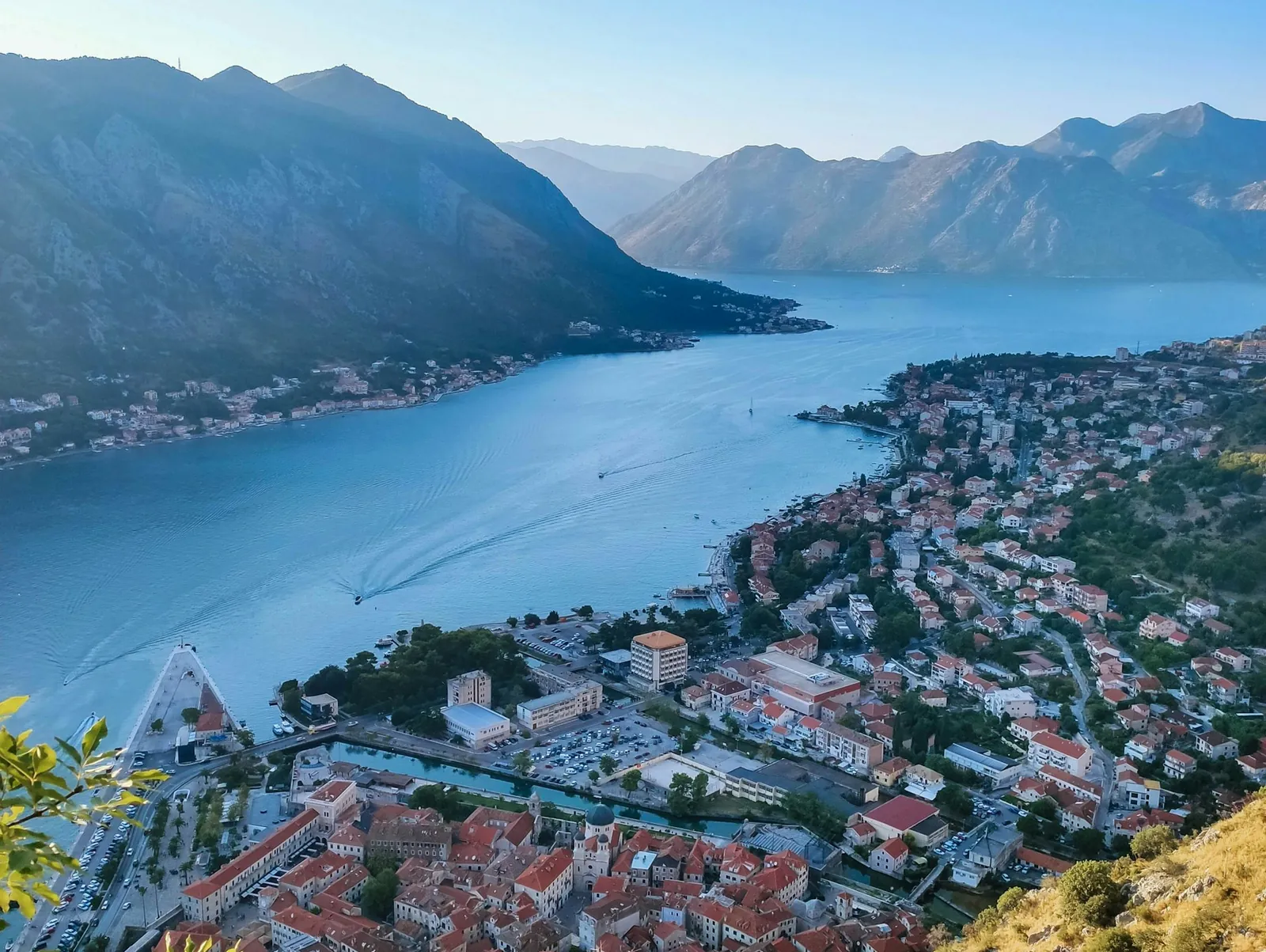
Walled coastal towns, mountain villages, deep-cut river canyons and a food culture that rewards anyone willing to sit down for three hours.
 04
04
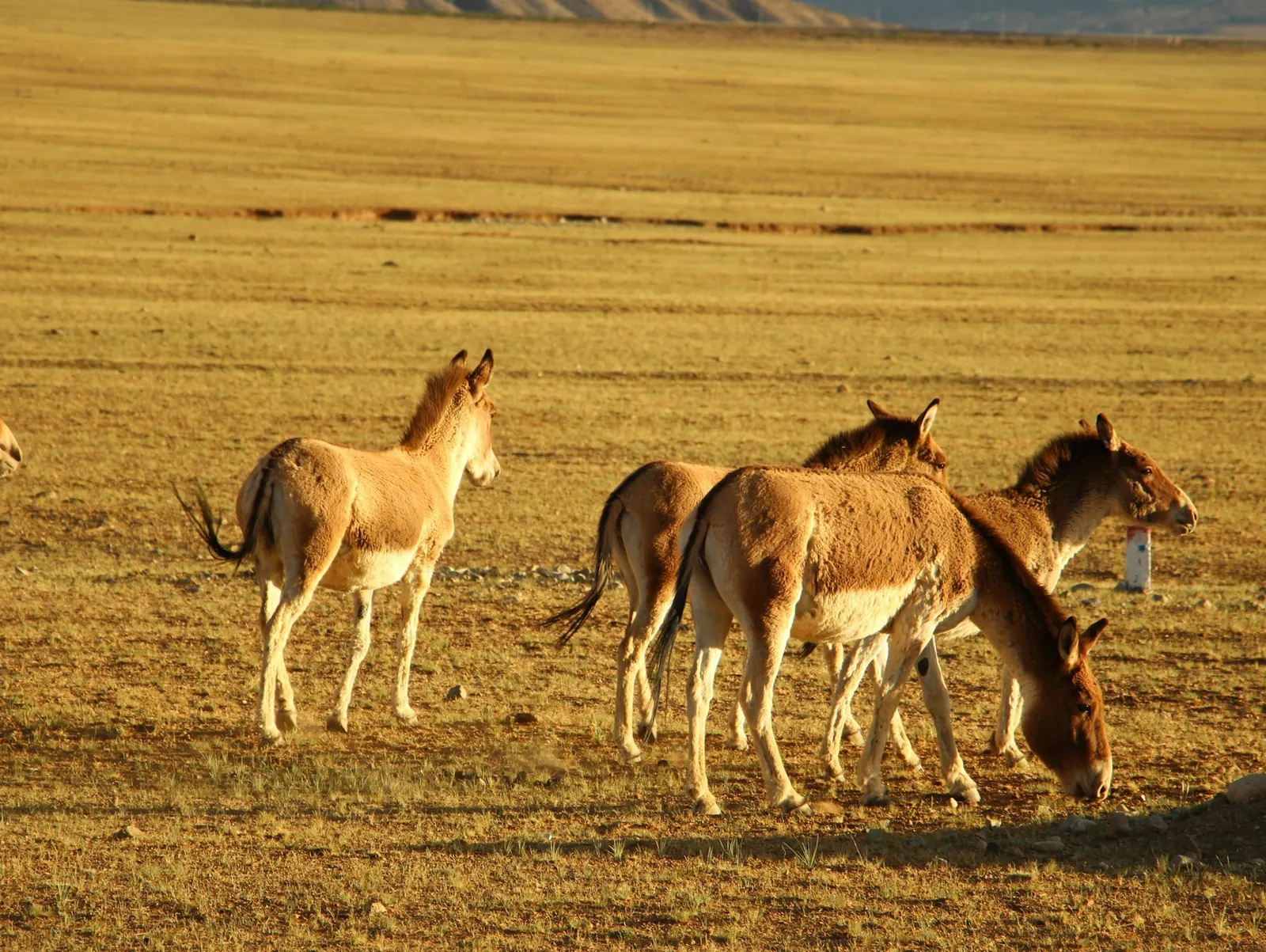
Space on a scale that genuinely resets you — the Gobi, the Orkhon Valley, and a nomadic hospitality tradition that nothing else in travel compares to.
 05
05
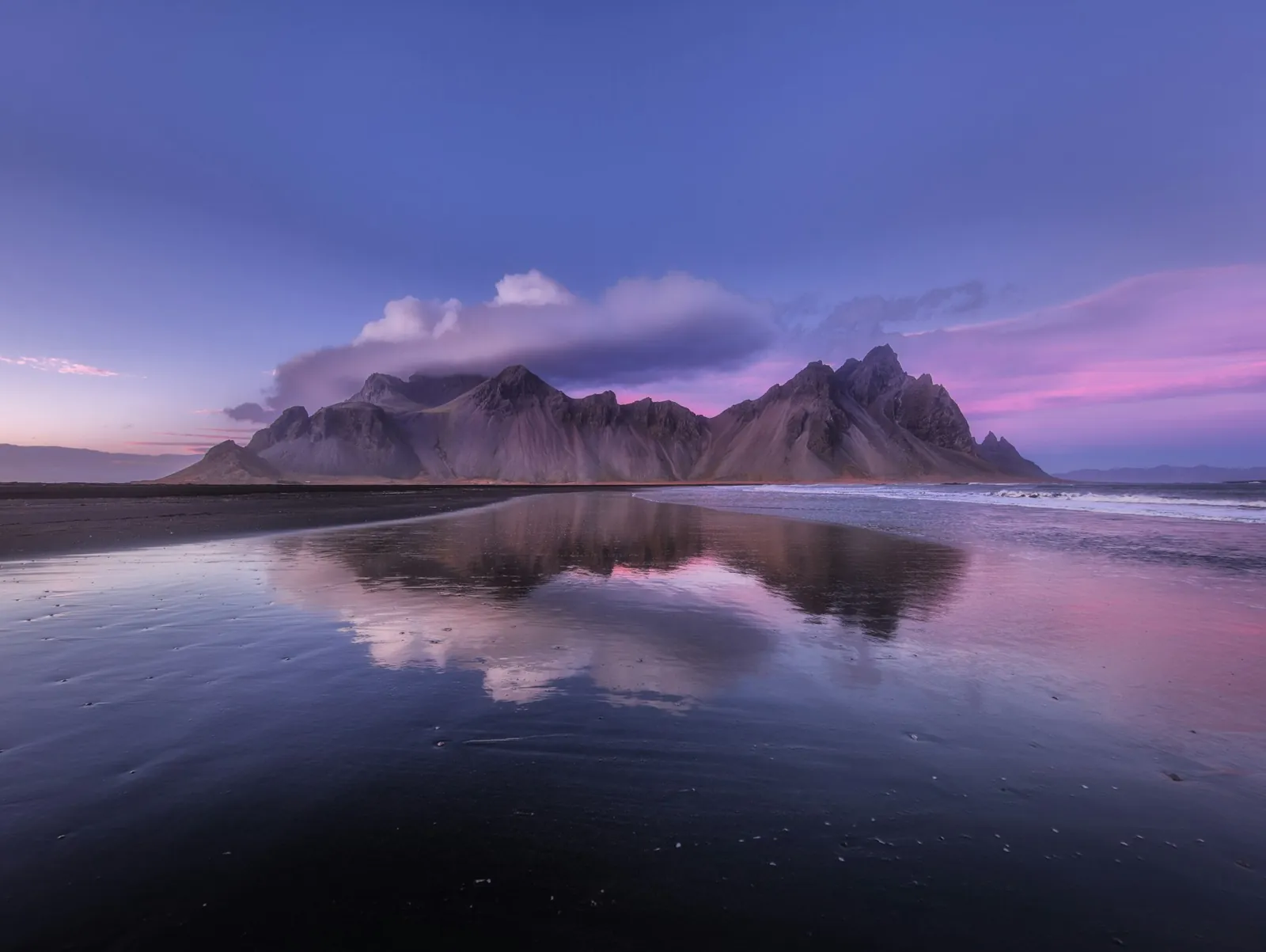
Stepping onto Iceland is like stepping onto a different planet. Volcanic, weather-carved and endlessly photogenic. Best taken slowly, well off the ring road, with someone who knows which day to hold in reserve.
 06
06
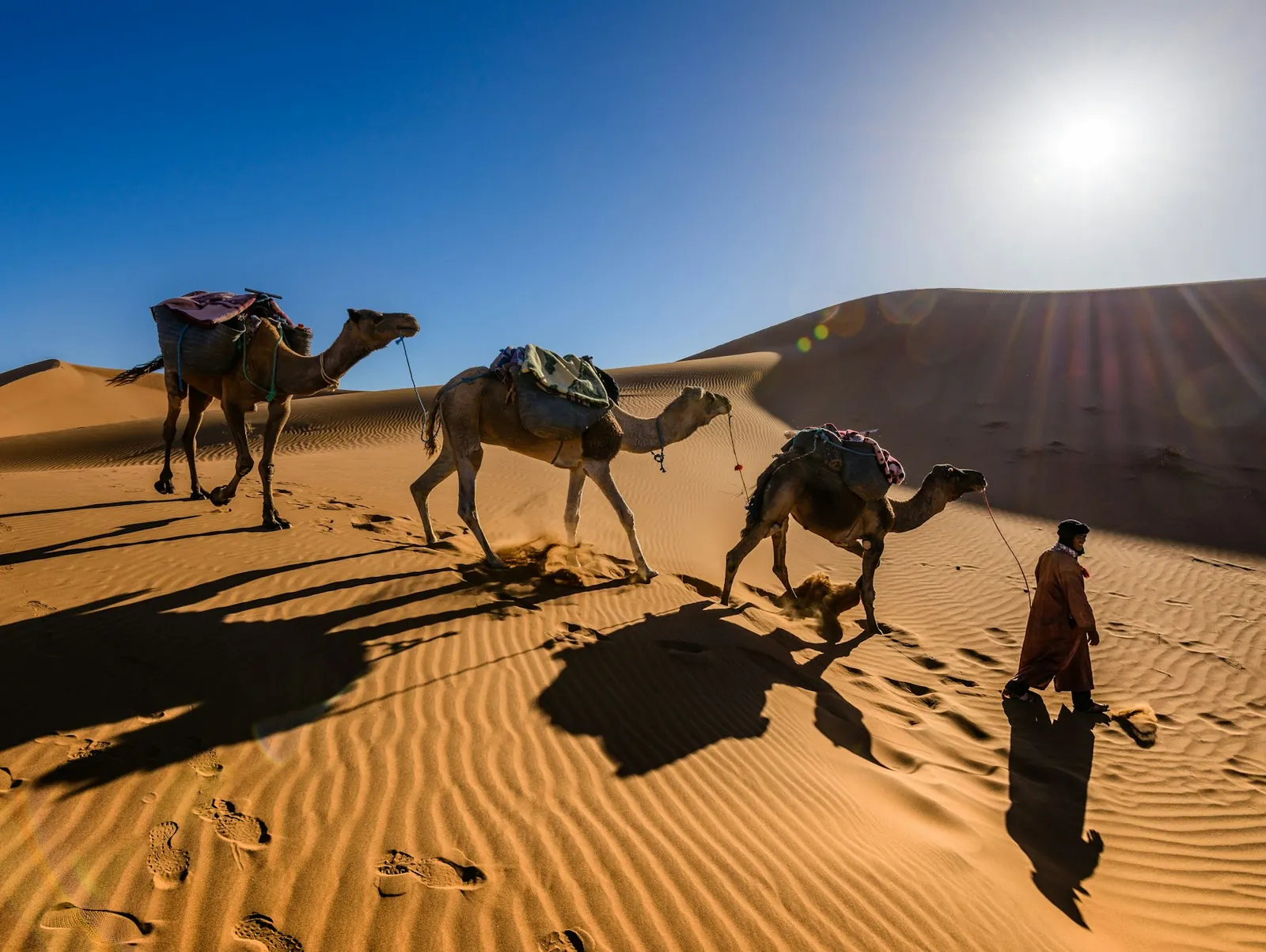
This list grows every time an advisor comes home from somewhere that surprised them. If you have a place in mind, we probably know someone who has been.
True bucket list
The trips people plan for years. These deserve an advisor who has done the homework — and who will tell you honestly when a shoulder season would serve you better.
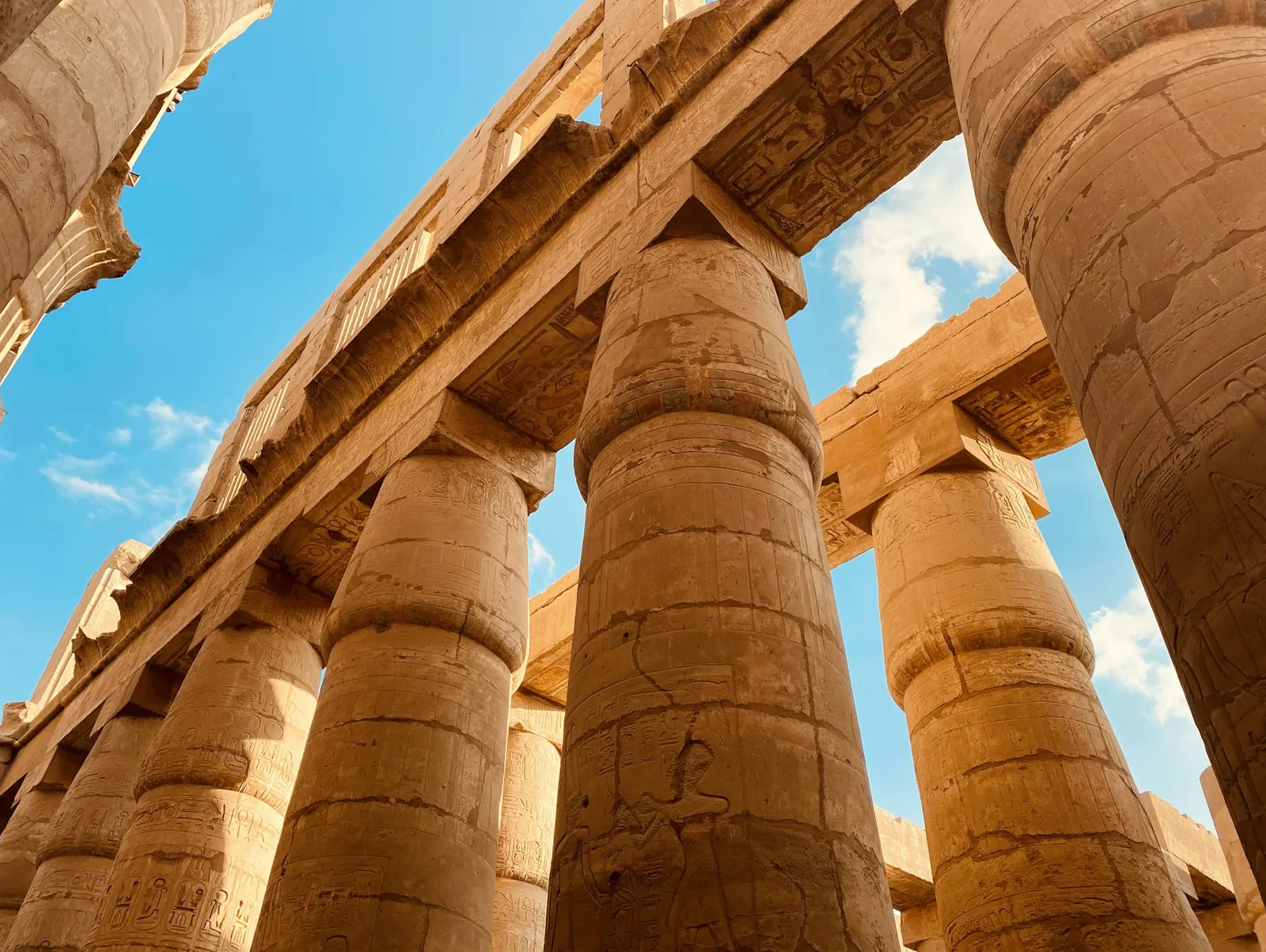
The Nile by river cruise, with the temples arriving in the order the river gives them.
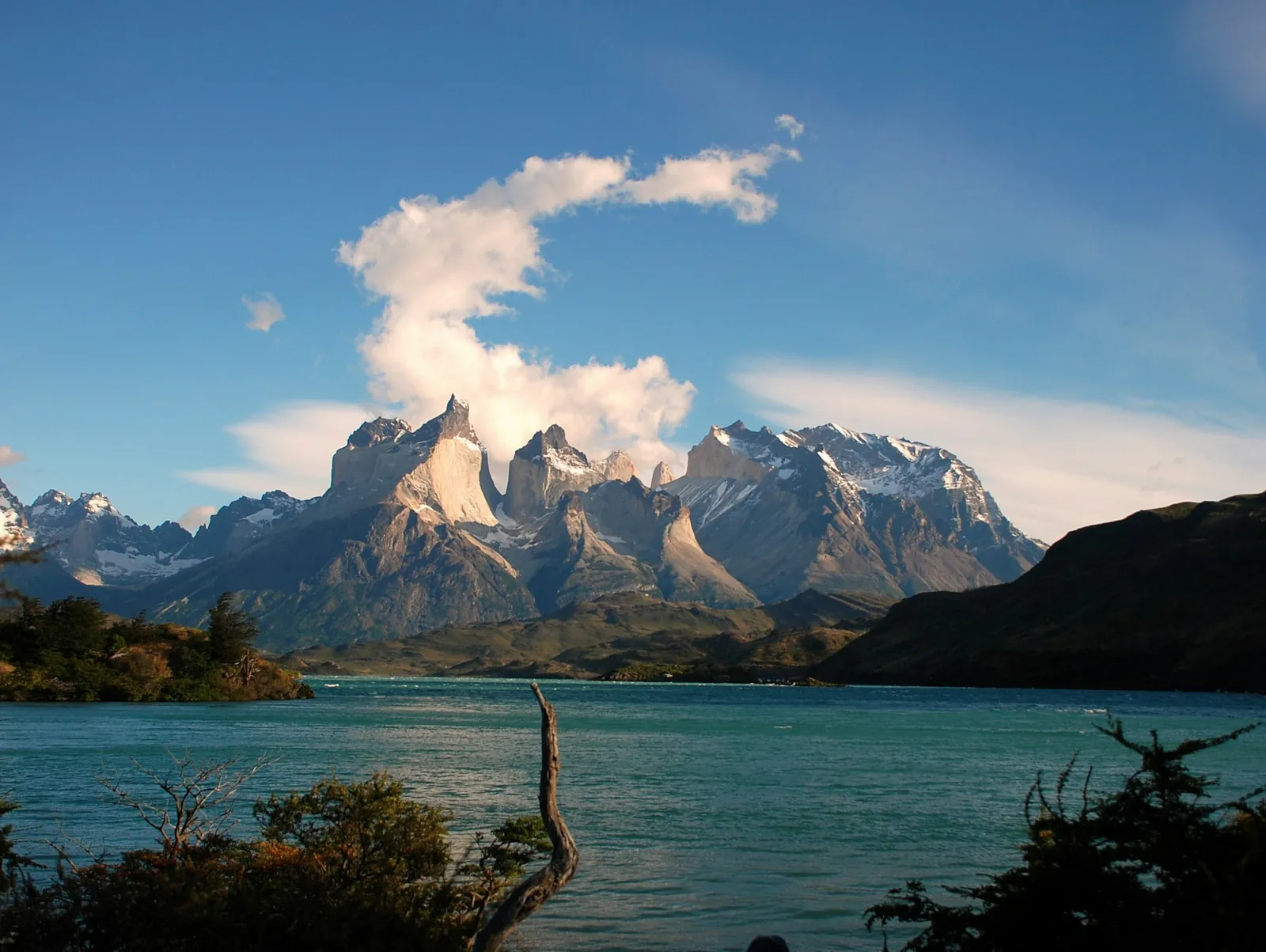
Granite towers, glacial lakes and wind that becomes part of the memory.
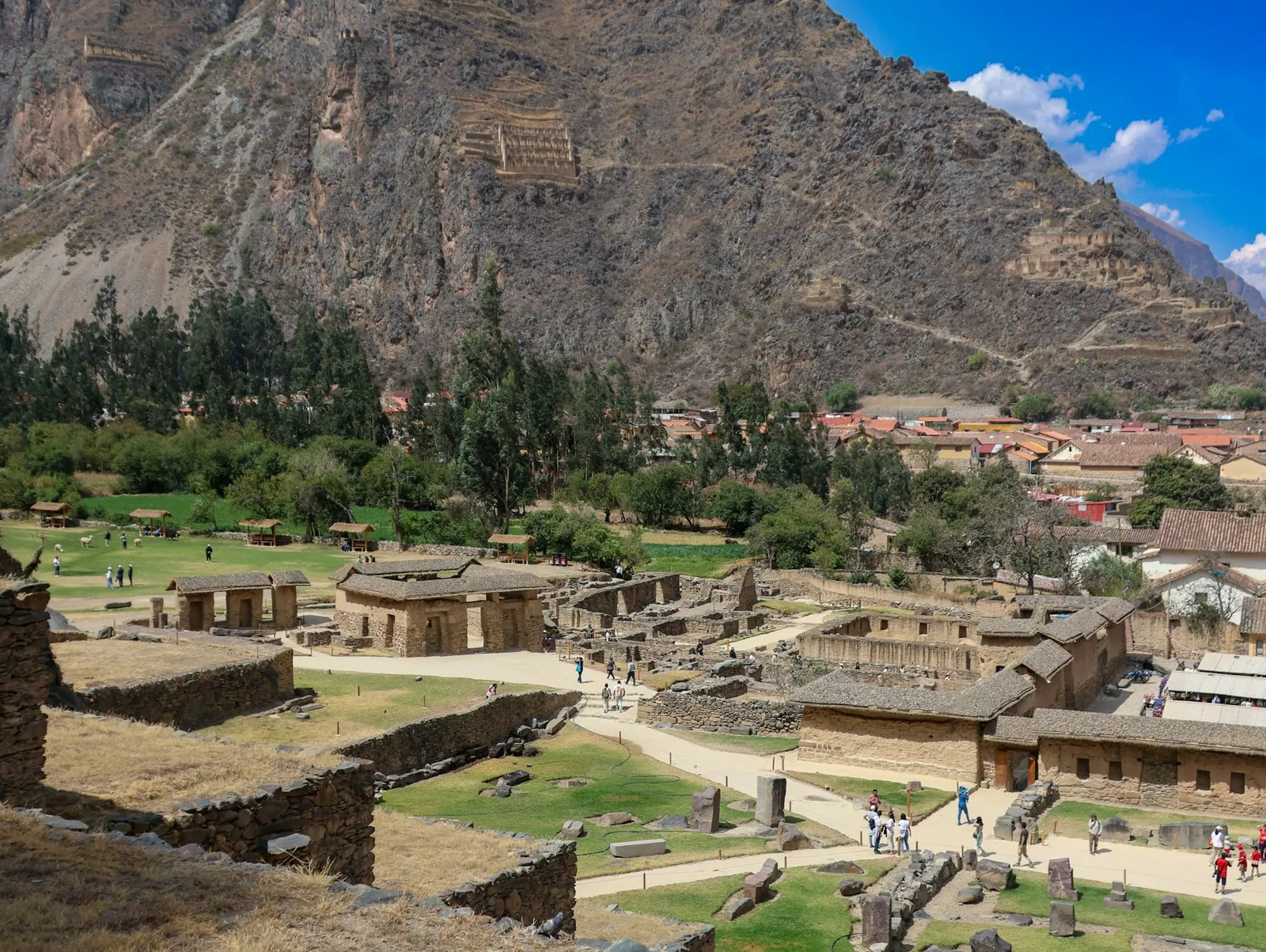
The Sacred Valley, the high Andes, and a food scene worth the trip on its own.
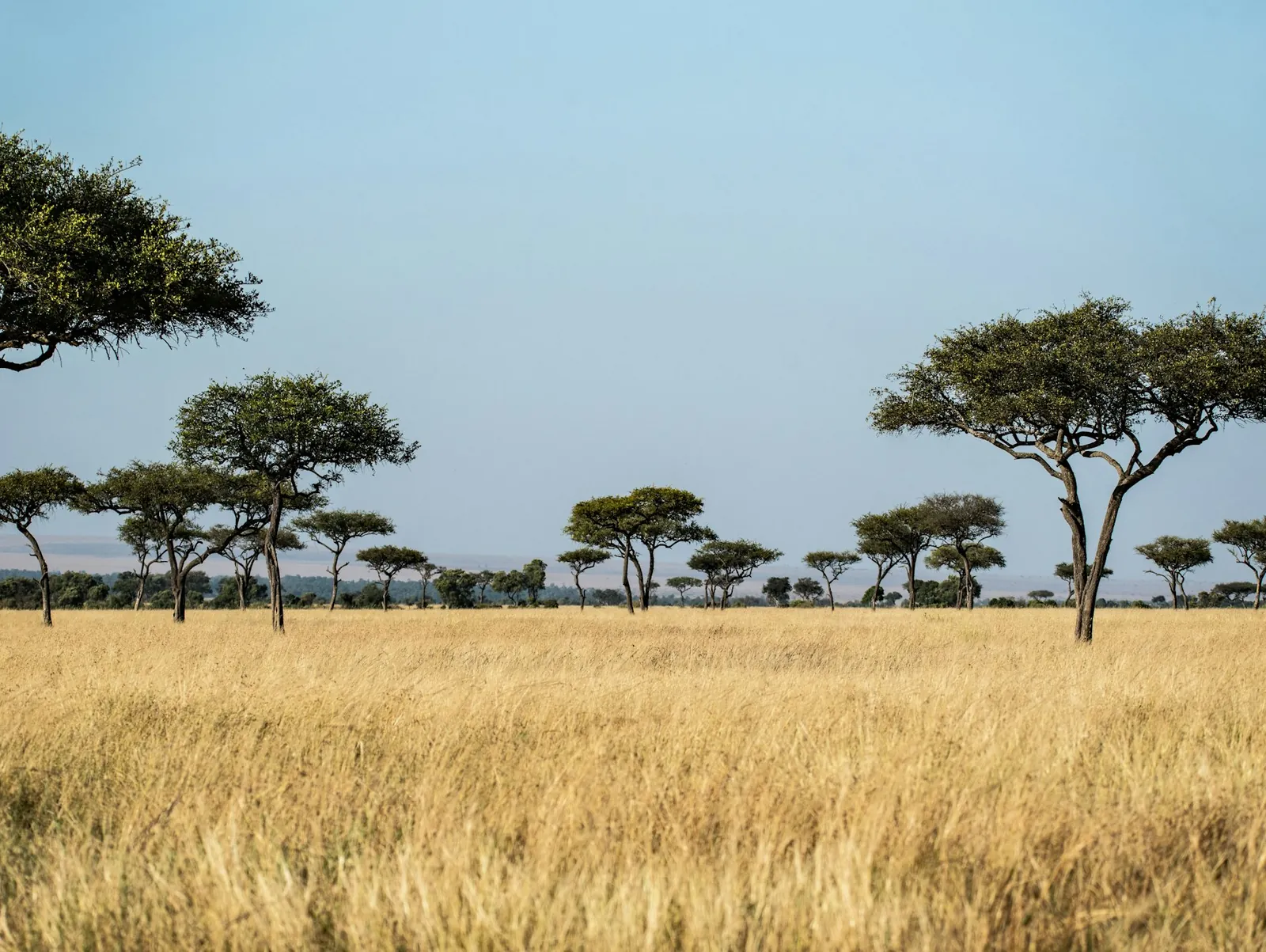
Camps chosen for the land they sit on, not the brochure they appear in.
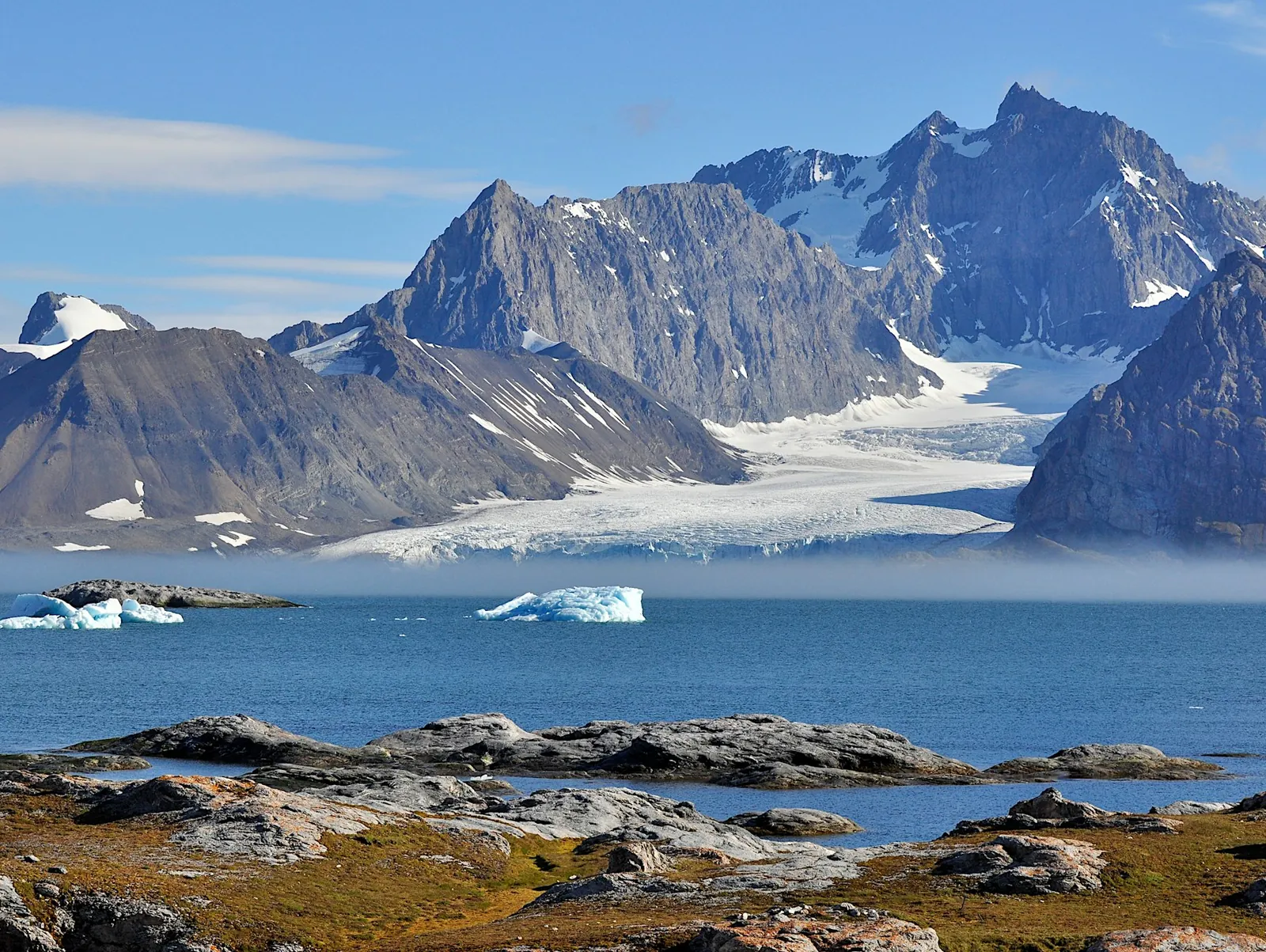
Long light or long dark — two completely different trips, and we’ll help you pick.
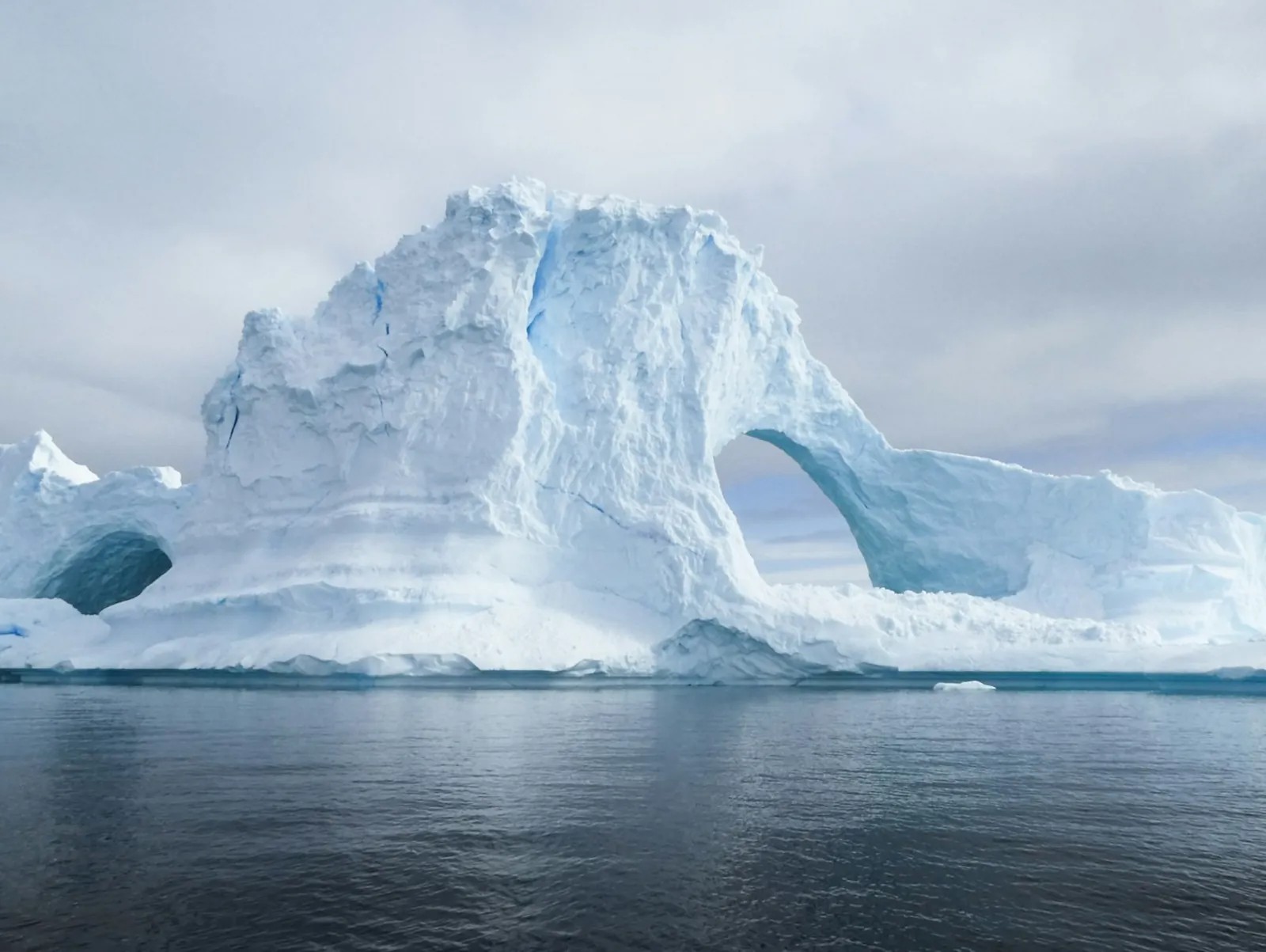
The White Continent. Small ships, short seasons, and booking windows that matter.
One route, many countries, and a thousand years of everything meeting in the middle.
If it’s been on your list for years, it belongs on ours. Tell us what it is.
Under-rated
Every one of these gets skipped for a reason that is out of date — an old headline, a stereotype, a neighbour that gets all the attention. Here is the case for each.
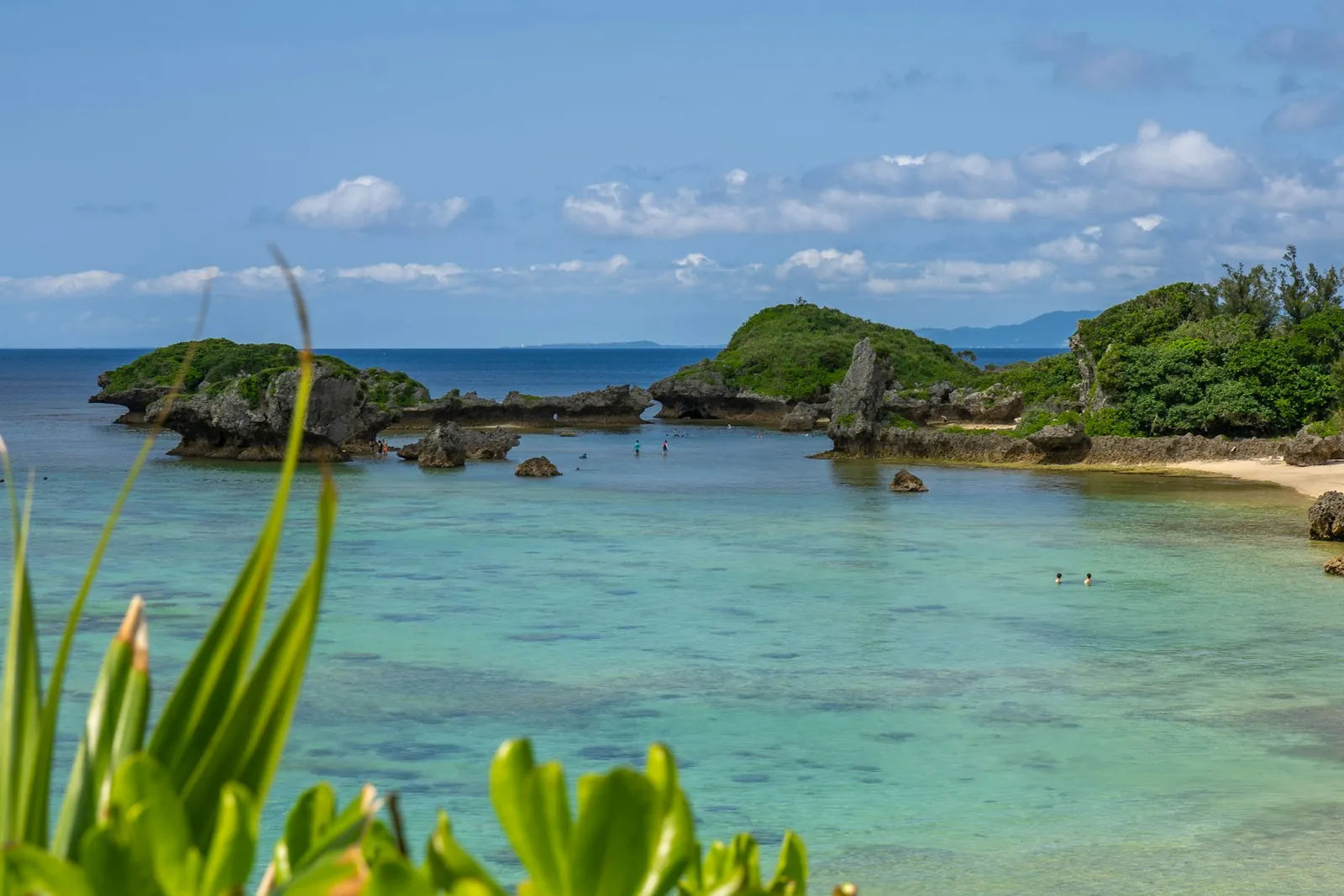
Most travelers head straight for mainland Japan’s neon skylines and historic temples, often writing Okinawa off as a military outpost or another generic beach resort. In reality it delivers a side of Japan few expect. As one of the world’s original Blue Zones, the islands are known for a longevity culture grounded in nourishing farm-to-table cooking, a remarkably unhurried pace, and deep community tradition. You get the gold standard of Japanese hospitality and comfort, set against turquoise water, coastal breezes and lush sub-tropical landscape. Best of all, a short scenic ferry connects you to quiet outer islands with untouched beaches and traditional Ryukyu villages.
It is easy to overlook Taiwan sitting next to powerhouses like Japan, but that is honestly what makes visiting feel like such a reward. The island layers indigenous roots, Japanese bathhouse traditions, European remnants and centuries of Han history into one of the most welcoming, forward-thinking places you will ever set foot in. What really lands is how effortlessly it switches gears: one morning you are hunting Michelin-caliber street food or browsing design galleries in the city, and an hour later you are drinking single-origin oolong in a misty cloud forest or soaking in a hot spring valley. Thanks to the train network you get the safety, food culture and natural drama of East Asia without the crowds.
While most travelers default to the Rome-to-Florence corridor or the crowded cliffs of Amalfi — often holding onto outdated Hollywood stereotypes about safety — modern Sicily is an exceptionally warm, safe and deeply rewarding place to explore. Far from the mob-movie tropes, the island is the Mediterranean’s true cultural crossroads, where ancient Greek temples, Arab-Norman palaces and golden Baroque hill towns sit side by side. That history carries directly onto the table, pairing pistachios, saffron and pristine seafood with mineral-driven wines grown on the slopes of Etna.
Anchored at the crossroads of Southern Europe, North Africa and the Middle East, Malta flies under the radar next to Greece or Italy, yet it packs an astonishing cultural tapestry into an intimate footprint. Centuries of trade and conquest — Phoenicians, Romans, Arabs, the Knights Hospitaller — created a hybrid culture reflected in its language, its cooking and its honey-gold limestone. In an archipelago you can drive across in under an hour you will find prehistoric megaliths older than the pyramids, the Baroque fortifications of Valletta, and the silent medieval lanes of Mdina. English is spoken everywhere, so pairing a palazzo stay with sea swims and a ferry to rustic Gozo is effortless.
While most Portugal itineraries stay anchored to Lisbon or the Algarve, the Azores offer one of Europe’s most raw, untouched natural wonderlands. Often called the Hawaii of the Atlantic, this volcanic archipelago is emerald crater lakes, cliffside waterfalls and steaming thermal baths tucked inside sub-tropical forest. It feels worlds away from the crowds, yet direct flights make it surprisingly accessible. Spend a morning in iron-rich hot springs or watching whales breach offshore, hike a volcanic ridge in the afternoon, and finish with fresh seafood and geothermal-cooked dishes paired with crisp island wine.
For a long time Central Asia has been caught in the misconception of being remote or complicated, but it is easily one of the world’s most rewarding regions to travel through. This is the heart of the ancient Silk Road, where you can wander the turquoise-domed mosques and grand courtyards of Samarkand, then head into the Tian Shan and Pamir mountains to sleep in yurts beside alpine lakes. The contrast between ancient trade cities and untamed nature is unmatched, and modern high-speed trains and simplified visas now make the region surprisingly smooth. Above all it is defined by a hospitality culture that makes you feel like a guest rather than a tourist.
For years the Balkans have been overshadowed by old news clips or reduced to a cruise stop in Dubrovnik, but the region is one of Europe’s most soulful, visually arresting corners. History here does not sit behind museum glass — it is alive in Ottoman bazaars directly across the street from Austro-Hungarian boulevards, Byzantine churches and Venetian fortress towns. Step beyond the stone centres and you meet limestone canyons, turquoise glacial rivers and coastal coves that rival anything in the Mediterranean. Best of all it is grounded in an unhurried warmth: long afternoon coffees, farm-fresh feasts, and a hospitality culture where travelers are welcomed guests.
Slovenia is often treated as a scenic drive between Italy and Austria, or a quick photo stop at Lake Bled, but it is one of the most complete and effortlessly charming countries in Europe. In a space you can cross in a couple of hours you get the limestone peaks of the Julian Alps, the emerald Soča River, rolling vineyards and Venetian-style Adriatic harbour towns. It has quietly become a world-class culinary capital, where foraged ingredients, Michelin-starred kitchens and generations-old winemakers sit beside relaxed riverside cafes in Ljubljana. Clean, green and free of the crowds across the border, it is Europe’s best-kept secret.
Caught between the tourist hubs of Greece and Turkey, Bulgaria is often overlooked or unfairly reduced to Soviet-era stereotypes, but it is one of Europe’s oldest and most profound cultural crossroads. This is where modern human history on the continent began — caves like Bacho Kiro hold the earliest known evidence of Homo sapiens in Europe, and Prohodna its mystical “Eyes of God” cavern. In Plovdiv, inhabited longer than Rome, you can take in an evening concert inside a Roman amphitheatre before wandering pastel Revival-era mansions and craft quarters. Outside the towns: the granite peaks of the Rila Mountains, mist-shrouded monasteries, and valleys known for rose harvests and thousands of years of indigenous winemaking.
Though often still linked in memory to 1990s headlines, or reduced to a rushed excursion from the Croatian coast, Bosnia and Herzegovina is one of the most soulful, visually arresting places in Europe. In Mostar, the Ottoman stone arch of Stari Most sweeps over the emerald Neretva, framed by cobblestone alleys, artisan coppersmiths and cliff divers carrying on a centuries-old tradition. In Sarajevo — the Jerusalem of Europe — Ottoman bazaars and Austro-Hungarian boulevards sit side by side along cafe-lined streets. Beyond the towns: canyon waterfalls, cliffside Sufi monasteries and pristine mountain rivers, all wrapped in a warmth where lingering over a copper coffee pot is a daily art form.
Long treated as a quiet neighbour to Spain, Portugal has stepped into its own as one of Europe’s most dynamic destinations. What makes it so captivating is the variety packed into compact borders: in a single journey you can wander the terraced vineyards of the Douro Valley, explore Manueline fortresses, and retreat to the olive-strewn plains of the Alentejo. Beyond the tiled facades there is a fresh, understated sophistication — minimalist boutique hotels in centuries-old estates, world-class seafood, bold native-terroir wines. Safe, easy to navigate and grounded in unpretentious hospitality.
Too often Poland gets boxed into somber history lessons or outdated stereotypes of grey Cold War cities, which means most people miss how colorful and lively it actually is. The country is full of intact medieval market squares, Hanseatic canal fronts in Gdańsk, and fairy-tale castle towns like Kraków. Outside the cities the landscapes are just as unexpected — the alpine Tatras in the south, thousands of glacial lakes in the north, and vast primeval forest. Today you will find boutique hotels inside old merchant houses, an inventive food scene built on wild foraged ingredients, and a vibrant arts culture — with none of the heavy tourist crowds.
Curated journeys
Fully designed itineraries, ready to be shaped around you. Each one exists because an advisor did the route herself and came back with notes. Open any of them for the full day-by-day.
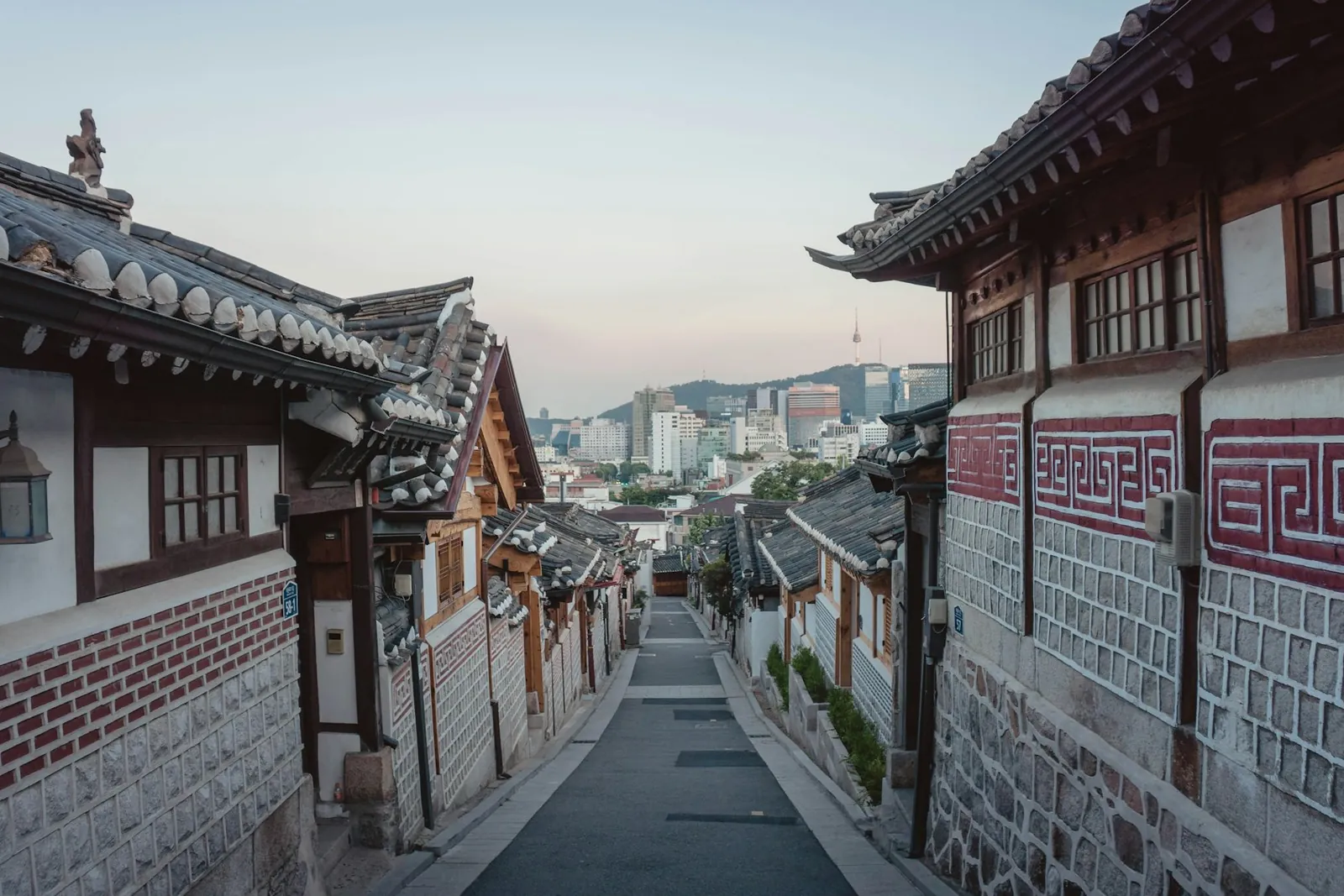 01
01
Contemporary Seoul, Confucian village life and mask-dance tradition in Andong, then volcanic coastline and haenyeo diving culture on Jeju.
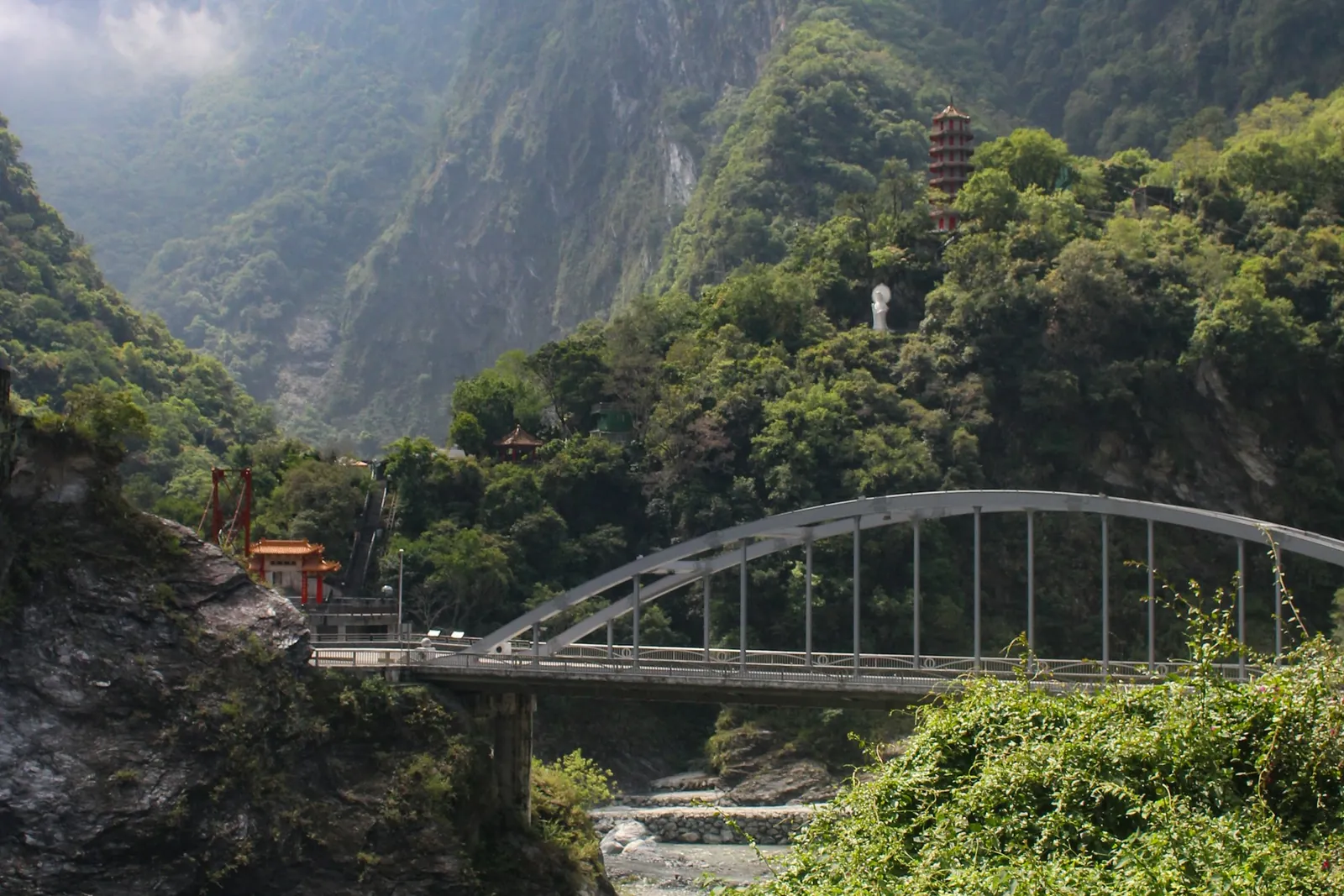 02
02
Night markets, the marble walls of Taroko Gorge, mountain tea country and a hospitality culture that quietly outperforms its reputation.
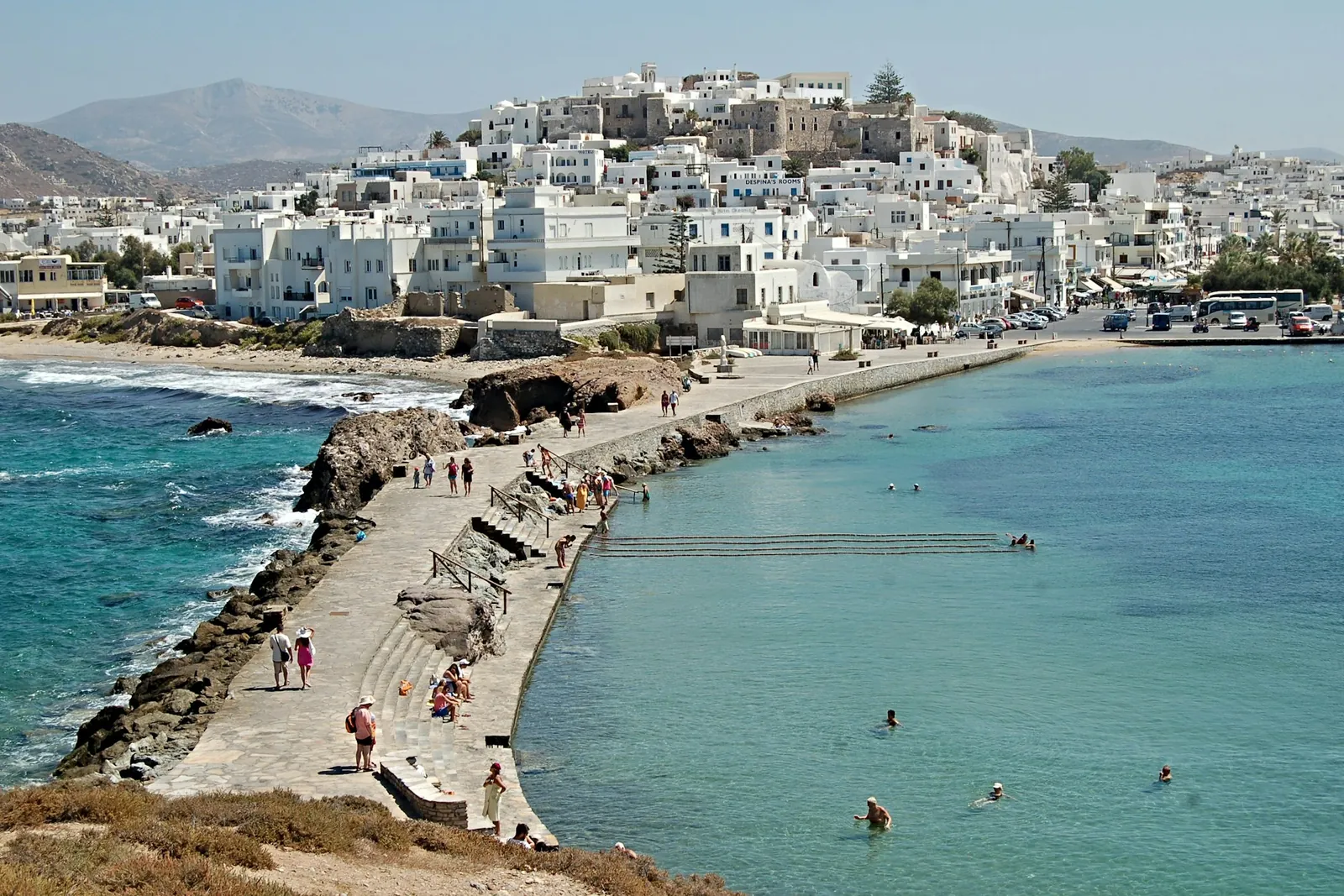 03
03
The Cyclades without the crush — inland villages, marble quarries, long slow beaches and tavernas that never made anyone’s top-ten list.
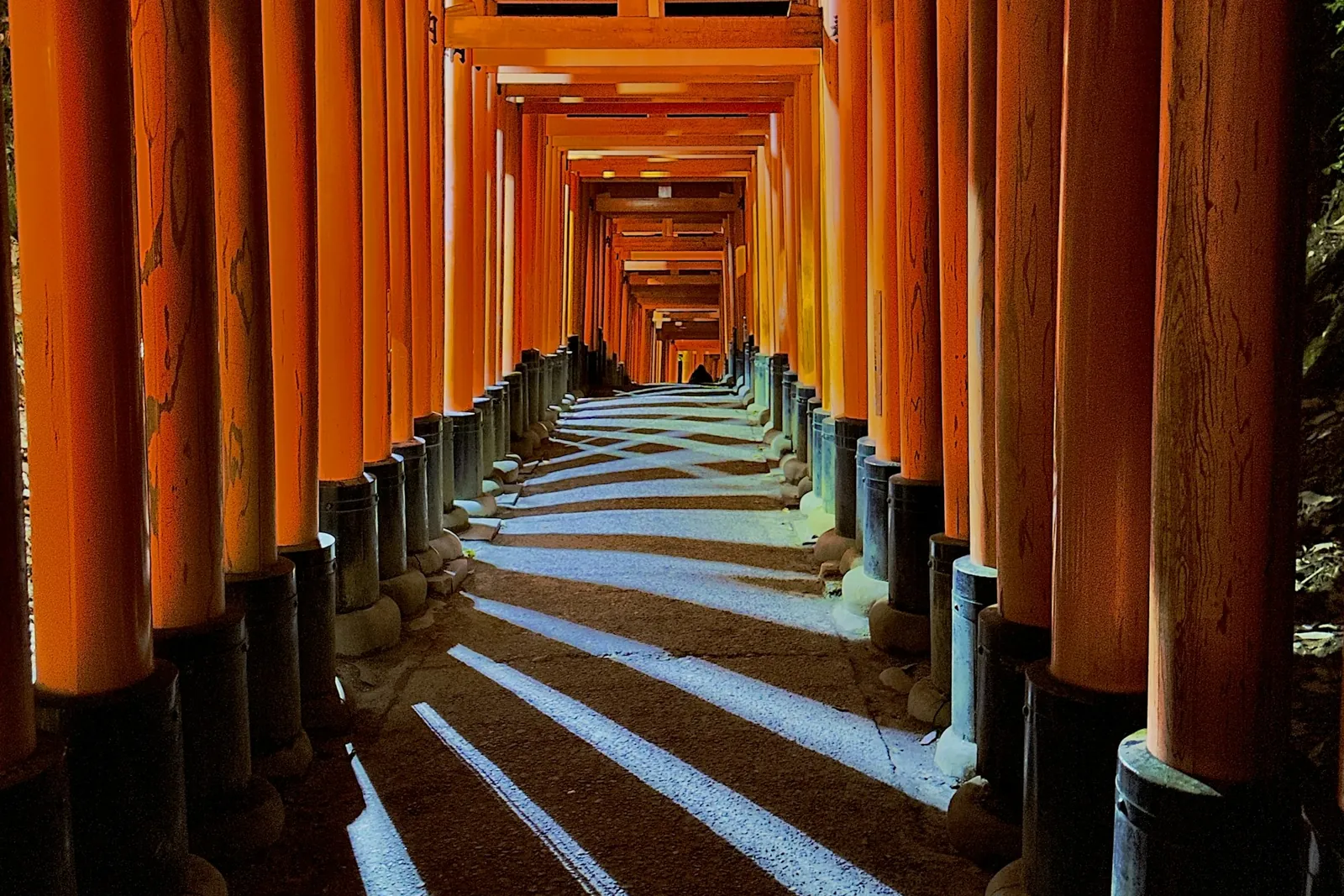 04
04
The classic East Asia pairing — neon high-rises and historic temples in Japan, then the markets and royal palaces of Seoul.
 05
05
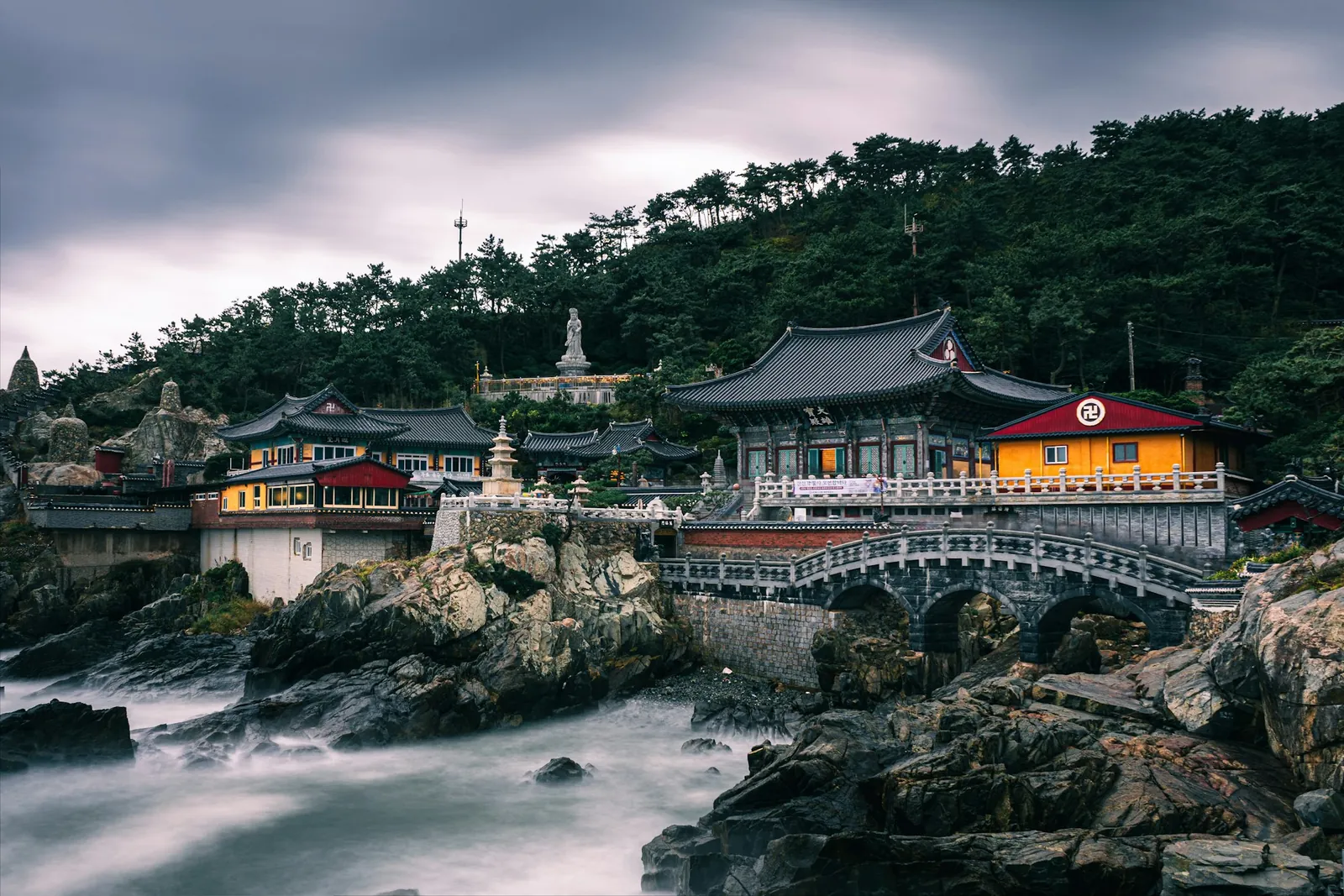
Two harbour cities, two countries, one short crossing of the Korea Strait — the most underrated pairing in East Asia.
 06
06
Ryukyu culture, coral reefs, castle ruins and an island pace that belongs to nowhere else in Japan.
 07
07
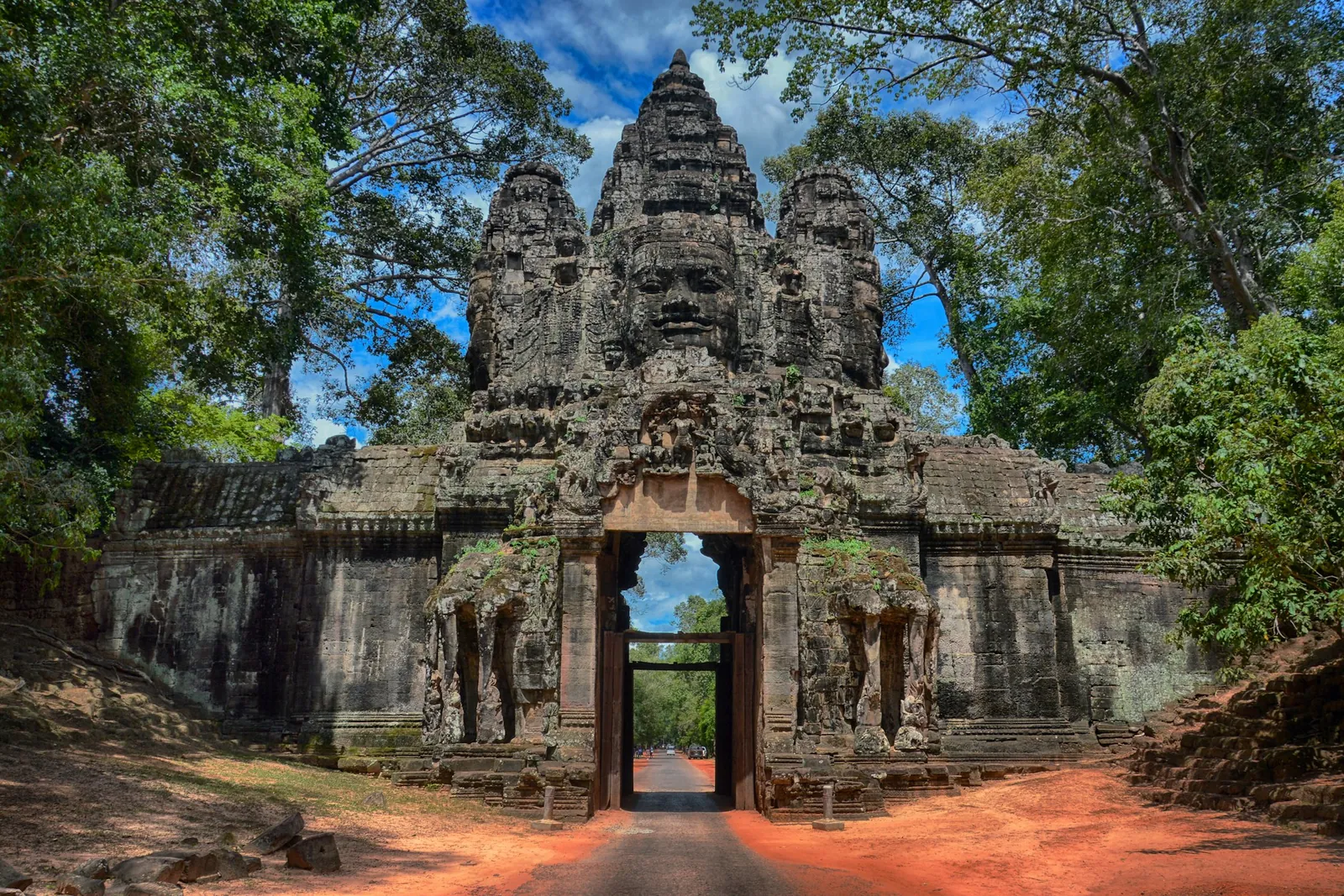
From the buzzing street-food markets of Ho Chi Minh City to the sunlit stone faces of Angkor Thom, with a week on the river between them.
 08
08
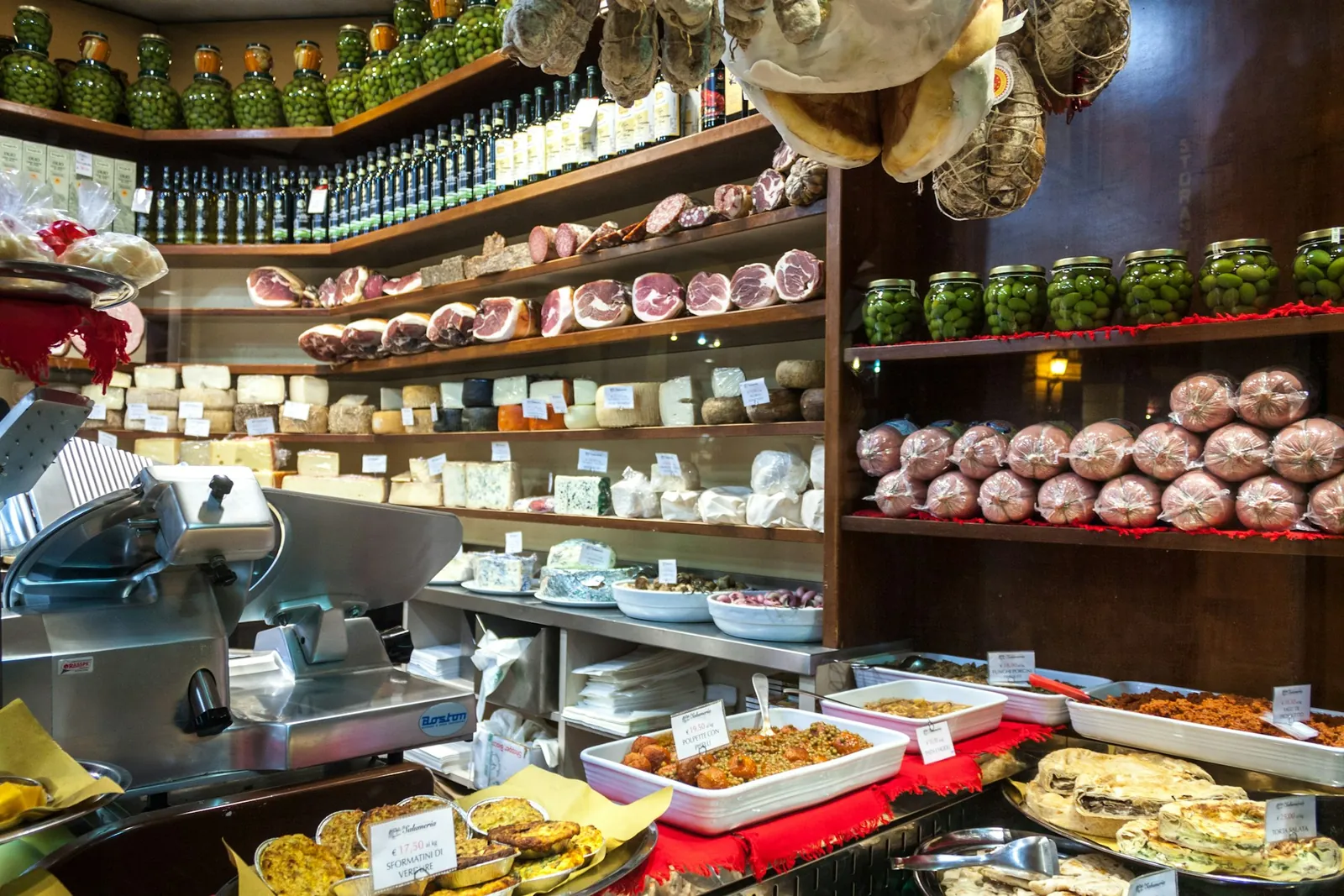
The ultimate culinary pilgrimage — from the historic pastry shops of Paris to the handmade pasta trattorias of Bologna.
 09
09
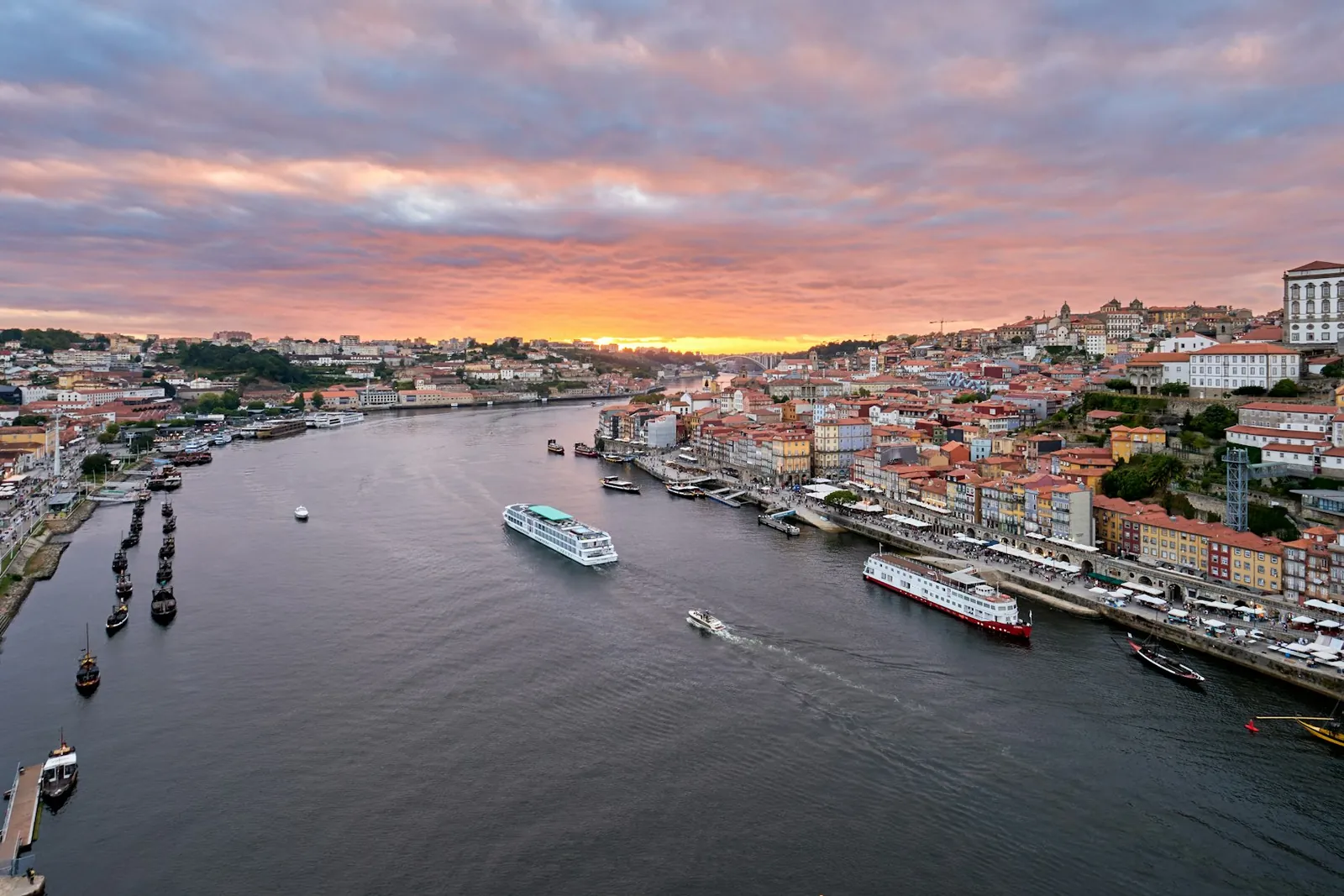
From the tile-lined hills of Porto to the flamenco-filled plazas of Andalusia, by way of the Algarve cliffs.
 10
10
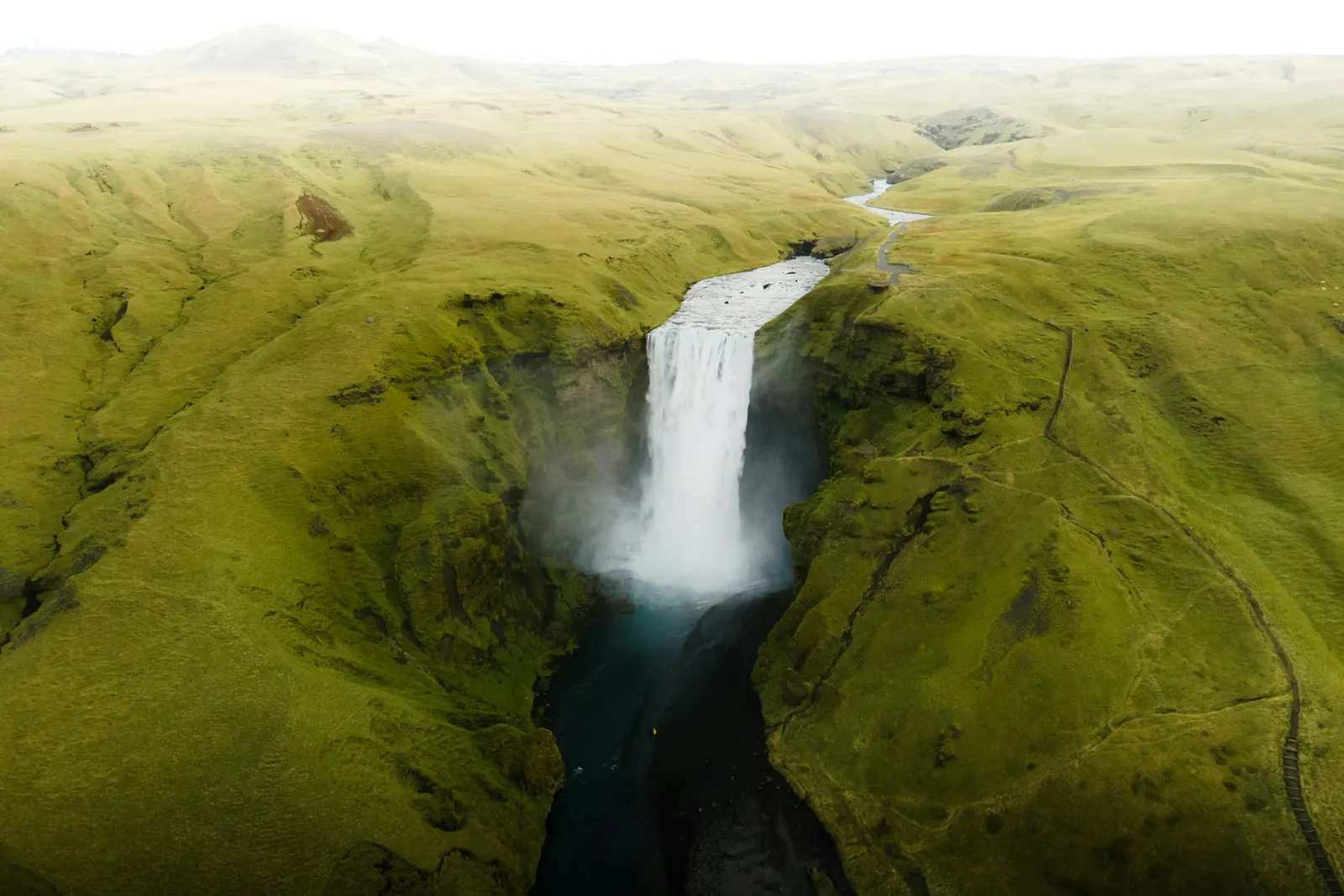
The ultimate road trip, where volcanic craters meet cascading emerald waterfalls and pitch-black sand beaches.
 11
11
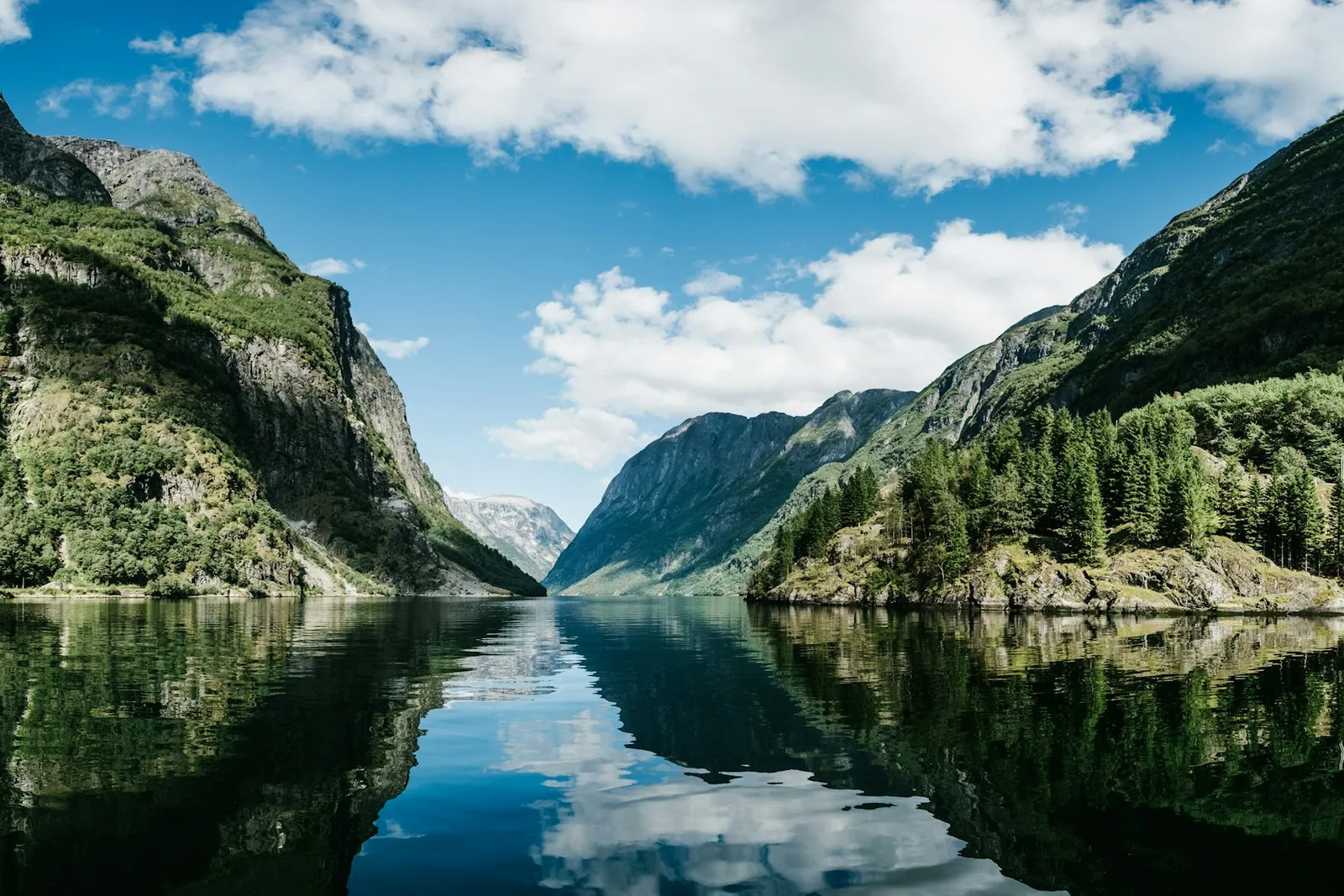
The grand tour of Northern Europe — design-forward capitals, then the deep-cut fjords and alpine railways of Norway.
 12
12
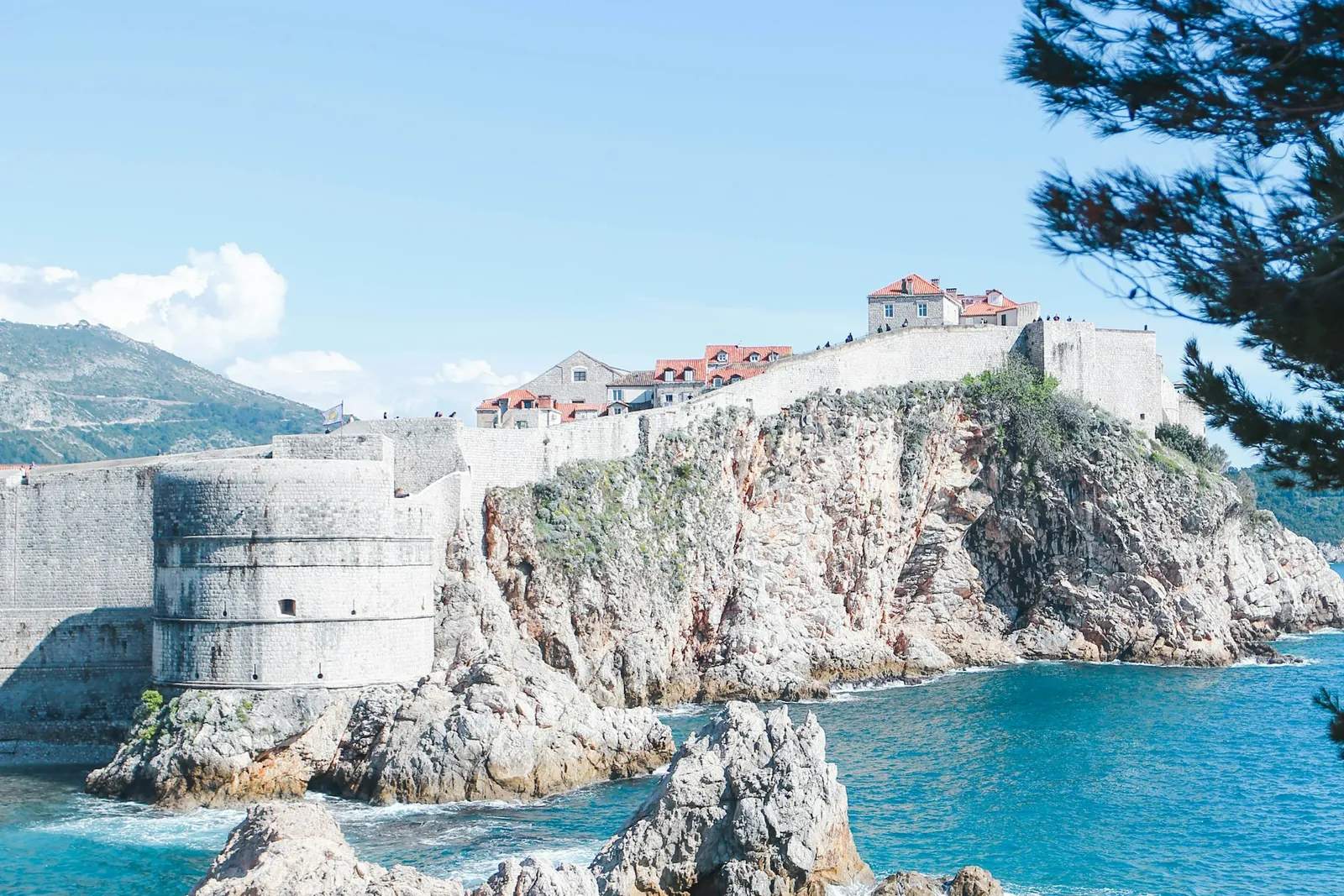
Ten days down the Adriatic — Plitvice’s emerald lakes, the Roman alleys of Split, and the walls of Dubrovnik.
Common questions
Why this list looks the way it does — and what happens if your place isn’t on it.
Not at all. Through our global network and industry partnerships we can design custom itineraries for virtually any destination. We highlight these particular places because our advisors have explored them personally.
A full spectrum. Bespoke private itineraries are the core specialty, but we also curate and book luxury cruises, guided group journeys, boutique stays and the logistics around them.
One of these got your attention
Tell us which place won’t leave you alone, and we’ll take it from there.